.png)
How future home interiors will look with 3D interior rendering.
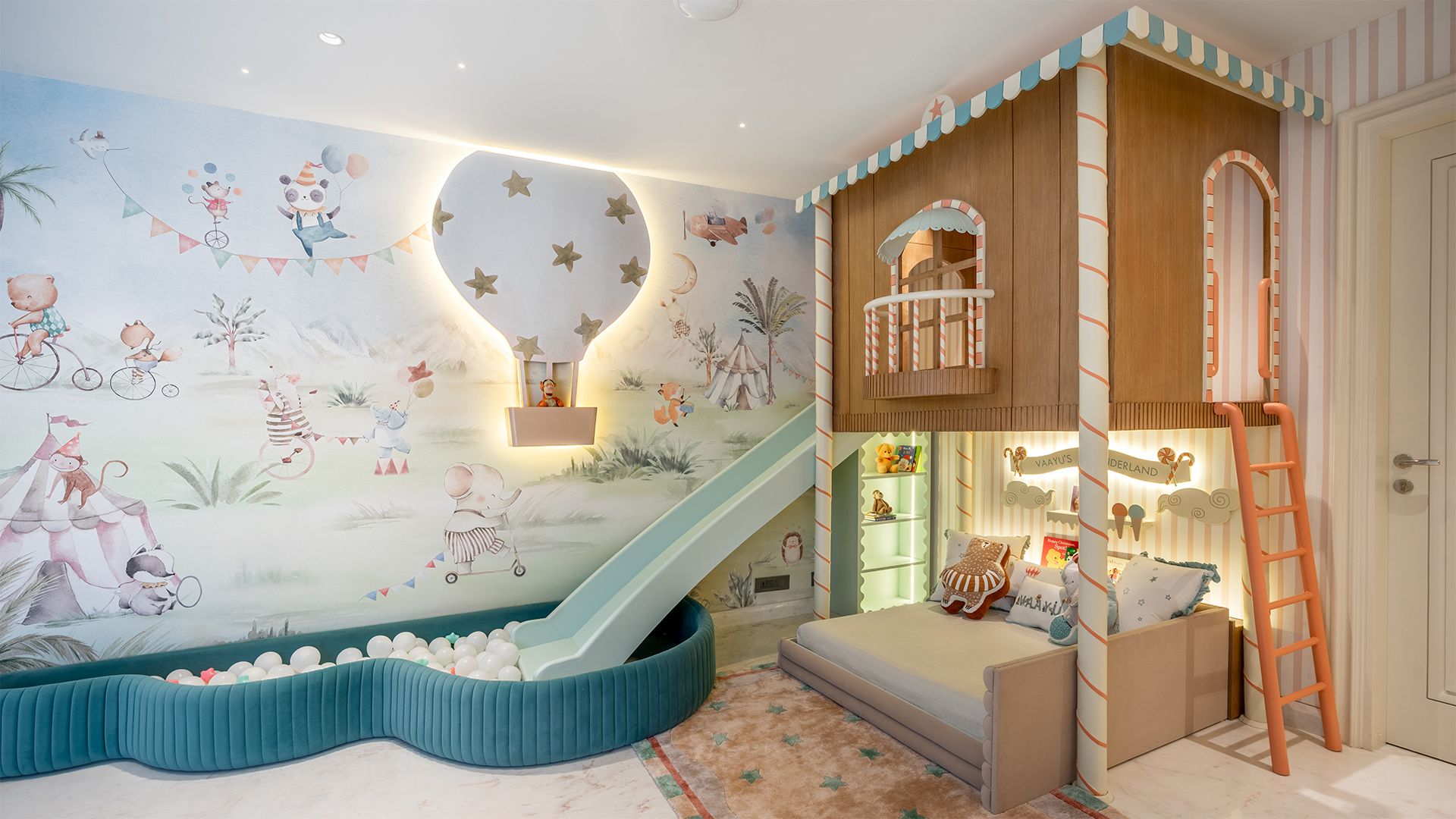
Interior design isn't about square footage. It's about perception, flow, and light..
“ You can make anything look good. Only a quarter of young adults are financially literate. You don’t want to overwhelm them with terrible advice. ”
Livastu
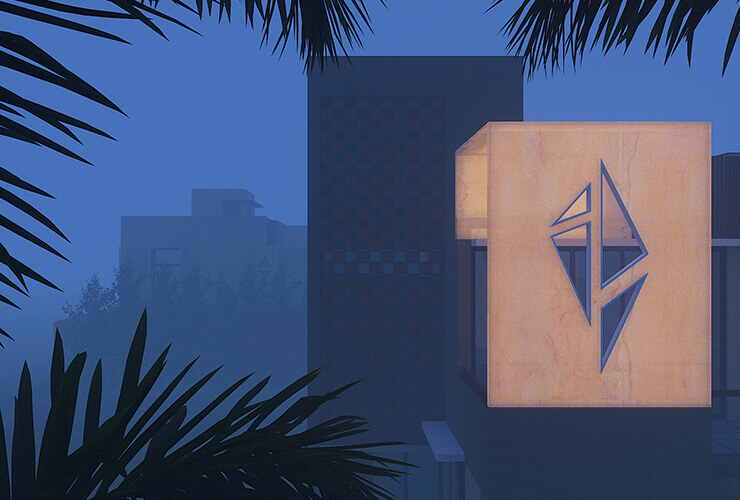
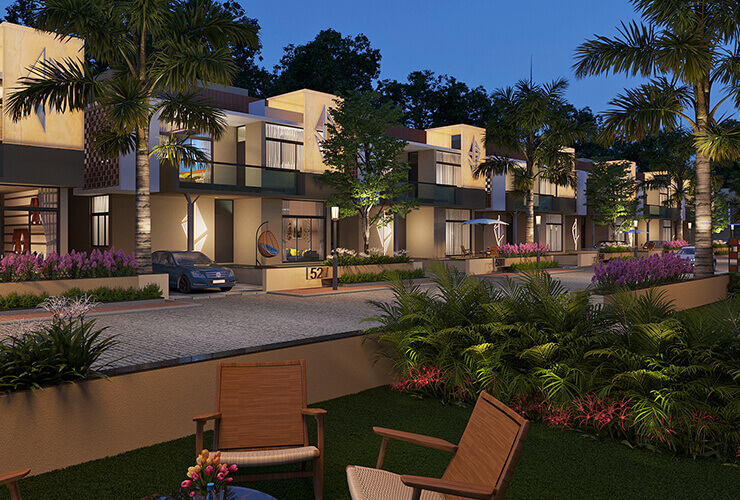
yThe way we design and experience homes is being fundamentally reimagined. 3D interior rendering isn't just a design tool — it's a window into how we'll live tomorrow.
For decades, homeowners relied on 2D floor plans and paint swatches to visualize spaces that didn't yet exist. The leap of imagination required was enormous — and the margin for error even more so. 3D rendering closes that gap entirely.
What 3D interior rendering actually is
At its core, 3D rendering is the process of generating photorealistic images — or immersive walkthroughs — of interior spaces from digital models. Using advanced software like Lumion, V-Ray, and Enscape, designers at Livastu build every detail of a room: the arc of a staircase, the grain of a marble countertop, the way a pendant lamp casts shadows at dusk.
"A render isn't just a pretty picture. It's a contract between the designer and the client — a shared vision of what the future home will feel like to live in."
What separates modern rendering from the blueprints of the past is the depth of sensory information it conveys. Light behaves like real light. Materials behave like real materials. The result is not just a plan — it's an experience.
How future homes will look and feel
3D rendering isn't just documenting existing design trends — it's actively accelerating new ones. Here's what the homes of tomorrow, as visualized through Livastu's rendering studio, will look like:
Biophilic integration
Living walls, natural material palettes, and indoor water features designed as immersive ecosystems.
Adaptive lighting design
Renders now simulate circadian lighting — spaces that transform from dawn to dusk at the touch of a control.
Vastu-aligned spatial flow
Energy pathways, directional orientation, and room proportions rendered to honor traditional Vastu principles.
Multi-sensory materials
Stone, cane, brass, and aged wood surfaces rendered with grain-level accuracy and tactile realism.
The Livastu 3D rendering process
Every home visualization project at Livastu follows a precise creative and technical journey — from first sketch to final photorealistic render.
Discovery & brief
We begin by understanding your lifestyle, aesthetic preferences, budget, and Vastu requirements through a structured design consultation.
3D modelling
Our designers build an accurate digital model of your space, incorporating precise measurements, structural elements, and initial material selections.
Lighting & material pass
We apply photorealistic materials and simulate natural and artificial lighting across different times of day to reveal how your home will truly live.
Client review & iteration
You explore your rendered home, request changes — swap a floor finish, reposition furniture — and see updates in real time before any physical work begins.
Final render & handover
High-resolution renders, 360° panoramas, and a virtual walkthrough are delivered as your definitive design blueprint.
Why it matters for your home
The practical benefits of 3D rendering extend well beyond aesthetics. Clients who review a rendered design before construction begins save an average of 20–30% on costly mid-build changes. More importantly, they arrive at the day of completion with a home that matches not just their brief — but their imagination.
At Livastu, we believe the home of the future isn't defined by square footage or material cost. It's defined by intention. And nothing makes intention visible like a perfectly rendered room, seen before the first wall goes up.