.png)
15 Vastu Tips For Study Room Interior Design .
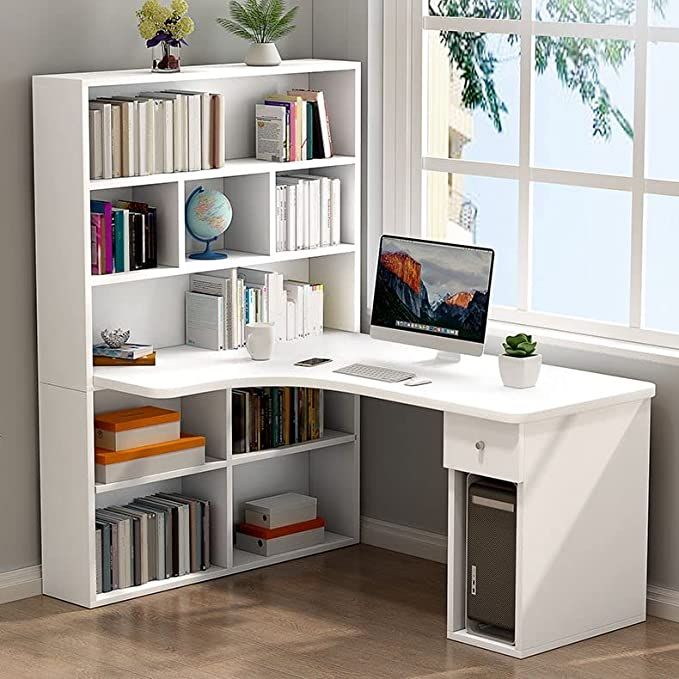
Livastu to create a study room that supports deep focus, clear thinking, and academic success..
“ You can make anything look good. Only a quarter of young adults are financially literate. You don’t want to overwhelm them with terrible advice. ”
Livastu

it is a space of aspiration. Whether it is a child preparing for board exams, a professional working from home, or a creative pursuing a personal project, the energy of the study space profoundly shapes the quality of thought that happens within it.
Vastu Shastra — the ancient Indian science of spatial energy — offers a remarkably precise framework for designing study rooms that are not just beautiful, but genuinely conducive to learning, focus, and mental clarity. At Livastu, we integrate these principles into every study room we design.
The 15 Vastu tips
We have organised these tips into five categories — room placement, desk orientation, colours and light, décor and elements, and things to avoid — so you can apply them systematically to your own home.
Place the study room in the north-east zone
The north-east corner of the home — known as the Ishanya corner — is governed by Jupiter and associated with wisdom, knowledge, and clarity. It is the single most powerful zone for a study room in Vastu Shastra, and the first recommendation Livastu makes in every study room brief.
East or north orientation for the study room door
The entry door of the study room should ideally face east or north. These directions welcome positive, active energy — the kind that supports alertness and engagement with study material.
Never locate the study room directly under a staircase
A study space beneath a staircase is considered inauspicious in Vastu — the descending weight creates subconscious pressure that hampers concentration and creates anxiety, particularly for children studying for examinations.
Keep the centre of the room open (Brahmasthan)
The Brahmasthan — the central point of any room — must be kept free of heavy furniture in Vastu. In the study room, avoid placing the desk or bookshelf in the exact centre. This allows energy to circulate freely and keeps the mind uncluttered.
Face east or north while studying
This is perhaps the most widely known Vastu guideline — and it is firmly evidence-backed in Vastu tradition. Facing east aligns the student with the rising sun's energy, promoting alertness and positive thinking. Facing north activates the flow of earth's magnetic energy toward the body, aiding memory retention.
Never sit with your back to the door
Sitting with an open door behind you creates a subconscious sense of vulnerability that breaks concentration and increases distraction. The study chair should always be positioned so the door is visible — either to the side or in front of the student.
Position the desk against a solid wall
A solid wall behind or to the side of the study desk provides what Vastu calls "backing" — a sense of support and stability that encourages sustained effort. Avoid placing the desk where a window is directly behind the student's back.
Keep the study desk free of clutter and sharp objects
In Vastu, a cluttered desk represents a cluttered mind. Sharp objects — scissors, pointed figurines, angular décor — create what is known as "Sha" energy, which disrupts focus. Livastu always designs study desks with integrated storage to keep work surfaces clean.
Choose green, white, cream, or light yellow for walls
Green stimulates the mind and is associated with growth and learning. White and cream promote clarity and reduce visual noise. Light yellow activates the Jupiter energy of the north-east. These are the four colours Livastu most frequently specifies for Vastu-aligned study rooms.
Avoid dark, heavy colours on study room walls
Dark grey, deep red, black, and intense blue tones absorb light and create a heaviness that suppresses mental energy. They may look sophisticated in a living room but actively work against the quality of attention needed in a study environment.
Maximise natural light from the east or north
Natural morning light from the east is considered the most sattvic — or pure — form of energy in Vastu. A study room with an east-facing window that receives morning sunlight aligns the student with the natural rhythms of the day, supporting a productive study routine.
Place bookshelves on the east or north wall
Bookshelves should be positioned on the east or north walls of the study room. The south and west walls, associated with heavier earth energy, are less suitable for knowledge storage. Bookshelves should ideally have doors or be kept neatly arranged — open, disordered shelves scatter mental energy.
Place a Saraswati or Ganesha idol in the north-east corner
In the Indian tradition, the north-east corner of the study room is the ideal location for a small idol or image of Saraswati — the goddess of knowledge — or Ganesha, the remover of obstacles. This is both a spiritual and a Vastu-aligned practice that brings intentionality to the study environment.
Add a small indoor plant — bamboo or money plant
A small living plant in the north or east of the study room brings the wood element into the space, activating growth energy. Lucky bamboo and money plants are particularly recommended in Vastu for study rooms as they are easy to maintain and energetically aligned with learning and abundance.
Keep mirrors away from the study desk
While mirrors are powerful tools in bathroom and living room design, they are cautioned against in study rooms — particularly when placed directly in front of or beside the study desk. Mirrors double the workload energy in Vastu, which can amplify stress and mental fatigue rather than clarity.
"A Vastu-aligned study room isn't a compromise between tradition and modernity — it's where ancient spatial wisdom and contemporary design finally agree on what the mind truly needs."
Quick reference: dos and don'ts
Face east or north while studying
Study room in north-east zone
Use green, white, or cream on walls
Bookshelves on east or north wall
Keep desk clear and well-lit
Add a small plant in the north corner
Don't sit with your back to the door
Avoid study rooms under staircases
No dark or heavy wall colours
Don't place mirrors facing the desk
Avoid clutter on the study desk
Don't block the Brahmasthan centre
These 15 tips form the foundation of every Vastu-compliant study room Livastu designs. Whether you are creating a dedicated study for a school-going child, a home office for focused professional work, or a personal reading sanctuary, these principles ensure the space works with your mind — not against it.
.